

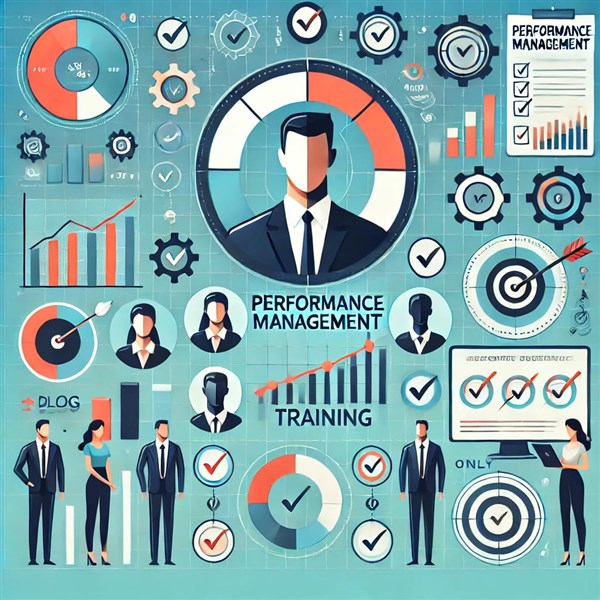
In a competitive, fast-paced business environment, employee performance is more than just a metric—it’s a strategic asset. To harness this asset, organizations need leaders and managers who can set expectations, provide constructive feedback, and create an environment where team members thrive.
That’s where performance management training comes in. More than just an HR initiative, it’s a leadership development tool that builds critical capabilities in goal setting, coaching, evaluation, and employee engagement.
Whether you’re an HR professional, a first-time manager, or a senior leader aiming to improve team performance, this training equips you with the skills needed to motivate, assess, and grow talent effectively.
In this blog, we’ll explore the top skills you’ll gain from performance management training—skills that drive individual development, team cohesion, and organizational success.
Top Skills You’ll Gain from Performance Management Training
🎯 1. Setting SMART Goals That Drive Results
One of the core components of any performance management training is learning how to set SMART goals (Specific, Measurable, Achievable, Relevant, Time-bound).
You’ll learn how to:
- Align employee goals with company objectives
- Make goals clear and actionable
- Track progress and adjust expectations as needed
- Avoid goal ambiguity that leads to disengagement
Why it matters: Vague goals lead to poor performance. Well-structured goals give employees clarity, direction, and purpose—making it easier to measure and celebrate success.
🔄 2. Delivering Constructive and Continuous Feedback
Training emphasizes the difference between annual performance reviews and ongoing, real-time feedback. You’ll gain the skills to:
- Give specific, actionable feedback without causing defensiveness
- Use the SBI (Situation-Behavior-Impact) model
- Provide praise that motivates
- Address underperformance with empathy and objectivity
Why it matters: Regular, meaningful feedback is one of the most effective ways to engage employees and improve performance without micromanaging.
🧭 3. Coaching for Development, Not Just Appraisal
Performance management isn’t just about evaluating—it’s about developing potential. Through training, you’ll learn to:
- Shift from managing to coaching
- Ask powerful, open-ended questions
- Build trust and psychological safety
- Empower employees to set their own development paths
Why it matters: Coaching encourages self-driven growth and improves long-term retention, especially among high-performing or emerging talent.
📊 4. Using KPIs and Metrics to Monitor Performance
Data-driven performance management is critical. Training helps you master:
- Identifying key performance indicators (KPIs)
- Interpreting performance dashboards
- Setting benchmarks for success
- Measuring progress without over-reliance on subjective input
Why it matters: Objective metrics reduce bias and allow you to manage performance fairly across individuals and teams.
🤝 5. Holding Effective Performance Conversations
Whether it’s an annual review or a tough feedback session, performance management training teaches how to:
- Structure performance conversations clearly
- Stay calm and focused under pressure
- Balance praise with development areas
- Manage emotional responses (yours and theirs)
Why it matters: Difficult conversations handled poorly can damage morale. Training teaches you to communicate with clarity and compassion.
👥 6. Managing Underperformance Professionally
Not all team members meet expectations. Training will show you how to:
- Identify patterns of poor performance early
- Conduct root cause analysis (skills, will, tools, clarity)
- Create Performance Improvement Plans (PIPs)
- Avoid legal or ethical pitfalls in disciplinary action
Why it matters: Addressing underperformance constructively prevents resentment, boosts team morale, and encourages accountability.
🧠 7. Cultivating Emotional Intelligence (EQ)
Strong performance management depends on self-awareness, empathy, and emotional regulation. You’ll enhance your:
- Empathy and listening skills
- Ability to interpret body language and tone
- Emotional self-regulation during tense situations
- Capacity to adapt communication styles to individuals
Why it matters: EQ improves workplace relationships and leads to more effective and personalized performance management.
📈 8. Aligning Individual and Organizational Goals
Training reinforces how performance ties directly into business outcomes. You’ll learn how to:
- Cascade organizational goals down to teams and individuals
- Create alignment through OKRs (Objectives and Key Results)
- Track how team output contributes to larger initiatives
- Drive accountability across levels
Why it matters: When employees understand how their work impacts the business, engagement and ownership increase significantly.
🧩 9. Recognizing and Rewarding Great Performance
Effective training also covers the science of motivation and recognition. You’ll gain insight into:
- Intrinsic vs. extrinsic motivation
- Timely and specific recognition practices
- Building recognition into weekly workflows
- Equity in rewards and compensation structures
Why it matters: Employees who feel seen and valued are more likely to stay, grow, and outperform expectations.
🧱 10. Creating a Culture of Accountability and Trust
Ultimately, performance management is about building a culture where excellence is expected and supported. Training empowers you to:
- Set clear expectations early
- Follow through on accountability
- Foster open communication
- Encourage peer-to-peer feedback and ownership
Why it matters: Culture isn’t created through policy—it’s created through daily interactions and consistent, intentional leadership.
🧠 Bonus: Digital Tools and Platforms for Performance Management
Modern training programs also explore software tools used in performance management, such as:
- 15Five
- Lattice
- Culture Amp
- BambooHR
- SAP SuccessFactors
You’ll learn to:
- Automate performance reviews
- Gather 360-degree feedback
- Conduct pulse surveys
- Analyze team health and engagement trends
Why it matters: These tools improve efficiency and provide managers with data-driven insights to guide coaching and development.
✅ Conclusion: Performance Management Is a Leadership Superpower
Performance management is no longer a once-a-year HR task—it’s a critical leadership capability that drives productivity, engagement, and growth.
By investing in performance management training, you gain:
- Clarity in setting and measuring goals
- Confidence in giving and receiving feedback
- Skills to grow individuals into high performers
- The ability to foster a strong, high-accountability culture
Whether you're a new manager, a senior executive, or part of an HR team, this training equips you with the tools to turn talent into business value.
✨ Want to Boost Performance Across Your Organization?
Start by investing in training that transforms managers into performance leaders. Consider online courses, workshops, or certifications tailored for your team’s needs.
All these skills can be gained from Performance Management Training offered by Koenig Solutions, a leading IT training company providing certifications in top technology courses.




COMMENT